Pro Tips
Strength Training for Road & Gravel Cyclists
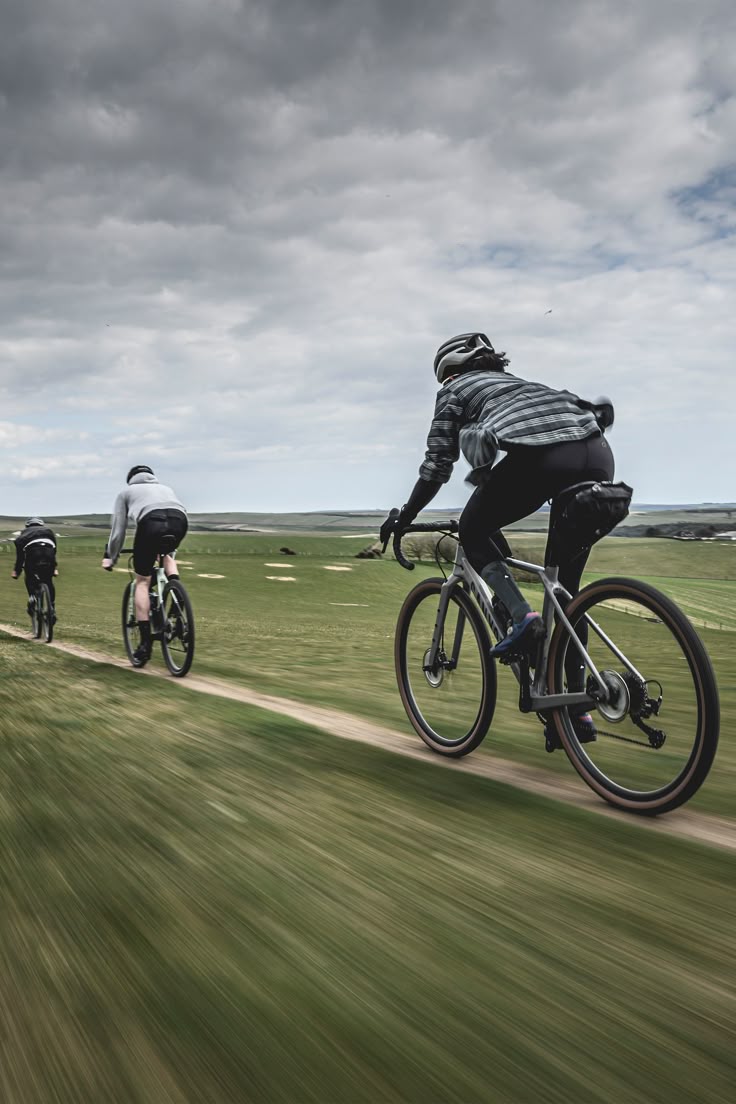
Strength Training for Road & Gravel Cyclists
Move kilos in the gym so you can push watts on the bike.
By Sandy Williams, Head Coach (Kinesiology, Strength & Conditioning)
If you're a road or gravel cyclist, the fastest way to produce more power isn't always riding more. Strength training for cyclists builds the force, stability, and resilience that translate into higher watts, better climbing, and fewer injuries. At PhysEd, we often say: move kilos in the gym so you can push watts on the bike.
Whether you're chasing a faster gran fondo, racing gravel, or simply wanting to ride stronger for longer, here's how strength training fits into your performance.
Why should cyclists lift weights?
Cycling is repetitive. You can pedal thousands of revolutions in a single ride, but that doesn't necessarily make you stronger.
Well-designed strength training improves your ability to apply force through the pedals while reducing energy leaks through the hips and trunk. The result is often:
Higher sprint and climbing power
Better fatigue resistance on long rides
Improved bike handling and stability
Lower risk of common overuse injuries
The goal isn't bodybuilding. It's becoming a more efficient athlete.
What muscles actually matter on the bike?
The strongest cyclists aren't just strong legs. They're strong everywhere that transfers force.
The priority movements we program include:
Movement | Why it matters |
Squats | Maximal force production for climbing and acceleration |
Romanian deadlifts | Posterior chain strength and hip extension |
Split squats | Single-leg stability and pedal symmetry |
Pull-ups & rows | Upper-body control on gravel terrain |
Carries & core work | Trunk stiffness for efficient power transfer |
Notice what's missing: endless leg extensions and machine circuits. We train movement patterns rather than isolated muscles.
Does strength training actually increase watts?
Yes—provided it's programmed correctly.
Research consistently shows that heavy resistance training can improve cycling economy, maximal strength, and sprint power without adding unnecessary body mass when paired with endurance riding.
A stronger athlete can produce the same riding power at a lower percentage of their maximum capacity. Think of it like increasing the size of your engine: cruising speed becomes relatively easier.
How many gym sessions do cyclists need?
For most recreational and competitive cyclists, 2 sessions per week is the sweet spot.
A simple weekly rhythm: two strength sessions complement your riding rather than compete with it.
A simple weekly structure might look like:
Day | Focus |
Monday | Strength |
Tuesday | Ride |
Wednesday | Recovery |
Thursday | Strength |
Friday | Ride |
Saturday | Long ride |
Sunday | Rest |
During race season, we usually reduce volume—not intensity. Keeping heavy lifts in the program helps maintain strength while allowing more recovery for key rides.
What does a cyclist's strength session look like?
At PhysEd, our cyclists rarely leave unable to walk. The objective is adaptation, not exhaustion.
A typical 60-minute session includes:
Dynamic mobility and movement prep
One primary strength lift (squat or deadlift variations
Single-leg accessory work
Pulling strength for posture and control
Core stability and loaded carries
Quality beats quantity every time.
A coaching insight from PhysEd
One pattern I've noticed coaching both endurance athletes and professional dancers is that cyclists often mistake fatigue for effective training.
The riders who improve the most aren't the ones who destroy themselves in the gym—they're the ones who consistently add small amounts of strength while staying fresh enough to ride well. When someone's split squat goes from 20 kg to 36 kg with excellent control over a training cycle, their confidence on steep gravel climbs usually changes long before they notice it on the power meter.
Strength is a long game. Watts are often the by-product.
Where should you start?
If you've never lifted before, don't begin with random exercises from Instagram.
Start with coached movement, learn proper technique, and progressively overload over time. A structured Strength & Conditioning class or Personal Training program is far more effective than guessing.
Useful next step: Explore our Strength & Conditioning classes at /classes or learn more about Personal Training at /personal-training.
Related reading: Conditioning Tests in the Persist Cycle: The Pyramid, Fight Gone Bad & Helen (/blog/conditioning-tests-persist)
Ready to ride stronger?
If your goal is to climb faster, sprint harder, or simply feel more powerful on every ride, strength training belongs in your program.
Come experience a session at PhysEd with a Free Intro Class. We'll assess how you move, discuss your riding goals, and build a plan that complements—not competes with—your time on the bike.
For cyclists who want to train for a specific race or event, our Personal Training is a great option because we can build the strength work around your riding, your goals, and your recovery. The No Sweat Intro is a free, no-pressure 30-minute conversation where we learn about your cycling, training history, goals, and any limitations, then help you figure out which training option makes the most sense for you. There’s no workout and no obligation—just a chance to meet, ask questions, and make a plan.
FAQ: Strength Training for Cyclists
Should road cyclists lift heavy?
Yes. Heavy strength training (typically 3–6 repetitions) develops maximal force without necessarily increasing muscle mass when paired with endurance training.
Is strength training different for gravel cyclists?
The principles are the same, but gravel riders often benefit from additional upper-body stability, single-leg balance, and trunk endurance because of rough terrain.
Will lifting make me slower uphill?
Not if it's programmed well. Most cyclists improve their power-to-fatigue relationship through increased strength rather than gaining excessive weight.
Can I do strength training during cycling season?
Absolutely. Reduce volume, maintain intensity, and place gym sessions away from your hardest rides whenever possible.

